
Pain is one of the most common symptoms for patients in hospice care.
Pain may be aching, sharp, burning, throbbing, or shooting. Describing how the pain feels helps the hospice team choose the most effective treatment.
Pain is one of the most common symptoms for patients in hospice care.
Pain may be aching, sharp, burning, throbbing, or shooting. Describing how the pain feels helps the hospice team choose the most effective treatment.
The goal of hospice is to minimize suffering and maximize comfort at the end of life. Control of pain is very important in achieving this goal.
It is important to know that pain can arise from physical causes, but also be the result of emotional, spiritual, and existential distress.
Pain is often divided into three tiers. The Hospice Team may ask you to rate the pain on this scale to help determine the most appropriate medication and dose.
The number is a guide — what matters most is how the pain is affecting comfort and quality of life.
Pain is considered controlled if it is consistently rated as 4 or less
Mild-moderate, pain on scale of 1-5 out of 10
Moderate-severe, pain of 6-8 out of 10
Severe, pain greater than 8
Use this pain scale as a guide to assessing the severity of pain. However, the most important measure is to ask and listen!
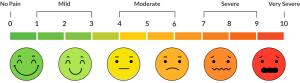

Defined as: symptoms are present, but they are not very bothersome. A person with mild symptoms can still go about their day and do most of their normal activities.
Treatment options may include:
Tylenol (Acetaminophen), NSAIDs (Advil, Ibuprofen, Naprosyn, Aleve)
Lidocaine patch if localized area
Short acting opioids-for moderate pain include- Hydrocodone, Codeine, Tramadol (Ultram)
Defined as: symptoms are more noticeable than mild symptoms and can make it harder to do normal activities. A moderate symptom might make someone feel uncomfortable or need
extra help.
Opioids - Morphine (MS Contain, other brand names), Oxycontin, Fentanyl Patches, Methadone
Medications for nerve pain (e.g., gabapentin)
Defined as: symptoms are strong and hard to ignore. They can prevent someone from doing
most of their normal activities. Someone with severe symptoms might need a lot of help or
treatment to feel better.
Severe or uncontrolled pain should be reported immediately so the hospice team can adjust the plan
Anxiety managment
Relaxation techniques - quiet room, soft lighting, music, meditation
Discuss whether visitors/company is helping or making things worse
Emotional or spiritual support
Hospice has social workers and chaplains trained to discuss difficult topics
Partner for Care is your trusted companion, offering a comprehensive repository of resources and guidance to support you every step of the way in your caregiving journey. With our user-friendly platform, you can access vital information and assistance whenever you need it.
409 Tennant Station, #1033
Morgan Hill, CA 95037
408 317-7030