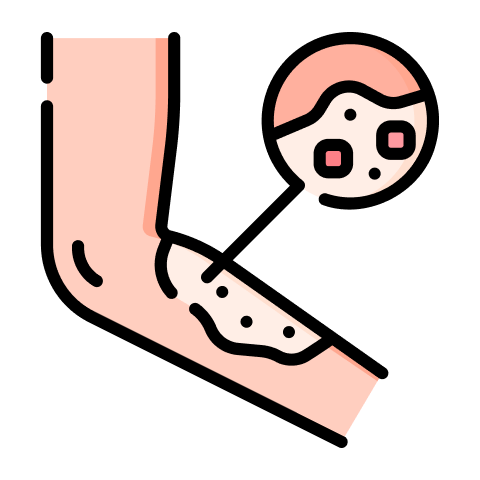
Skin Most often from ulcers developing at pressure points ('Pressure Ulcers') from being unable to change position
What is done It important to understand that not all infections can or should be treated Typically, urinary infections may be treated with antibiotics Skin breakdown, ulcers are usually treated with local measures (Creams, Dressings) The hospice team will concentrate on skin care at the time of each visit Lung infections are more complicated, and often antibiotics do more harm than good or simply do not work Dying from, with dementia, is usually the result of recurrent infections, especially pneumonia This is what happens, what is expected at this stage, and is largely unavoidable Giving antibiotics often do not help as they need a healthier body in order to work as intended Back to top

 Back to Dashboard